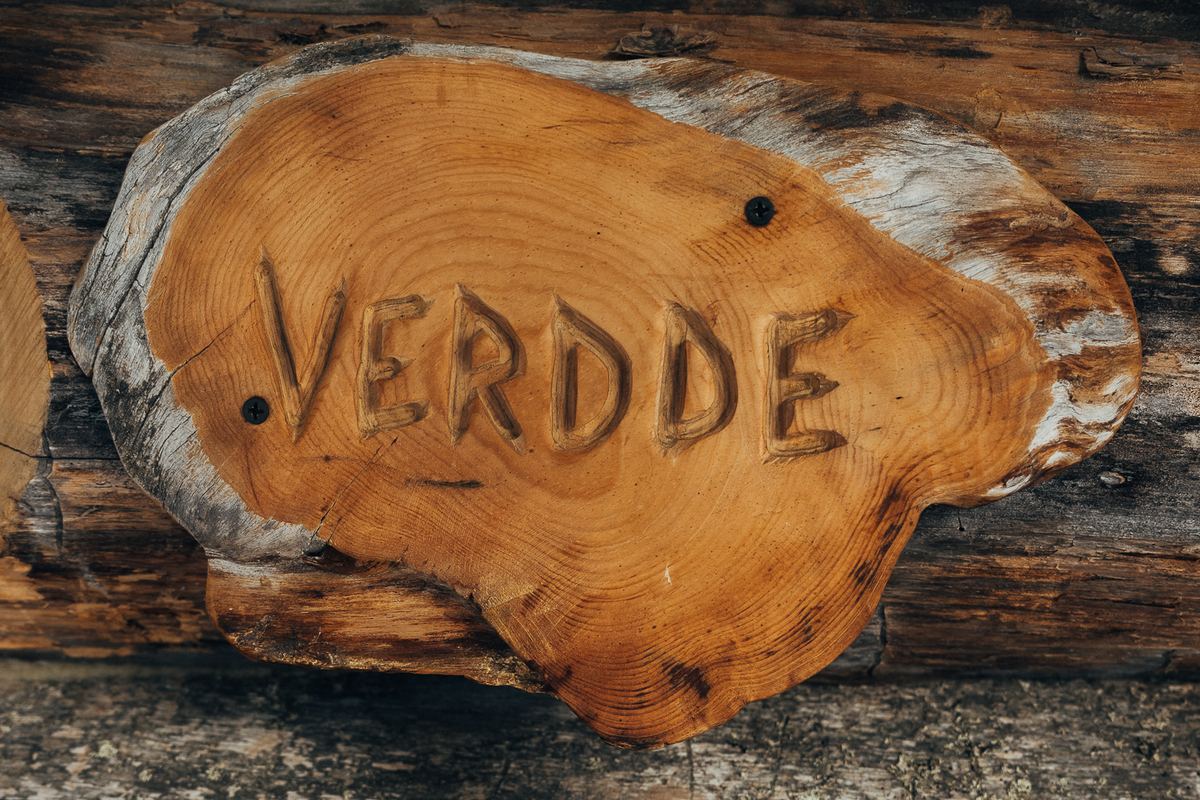
In the far north of Finnmark, life once moved to the rhythm of the seasons. Each year, reindeer herding Sámi families would arrive in the coastal villages, their herds grazing along the shores while they lived side by side with the Sea Sámi who called the place home year-round. Out of this meeting grew an old tradition known as verdde, a bond of mutual exchange, trust and hospitality.
The word stems from verddevuohta, which in Sámi describes the concept of a close, reciprocal friendship or guest-friendship. It was not just about trading goods and services; it was about building a lifelong relationship. The Sea Sámi might provide a place to stay, fishing gear, tools, or a helping hand, while the reindeer herders offered meat, hides, or reindeer products in return. Over generations, these exchanges wove a fabric of interdependence, where calling someone your verdde carried both practical and emotional weight.
But as society modernised, so too did reindeer herding. The old patterns of barter slowly faded, replaced by money, markets, and new ways of living. What had once been a bridge between two communities began to dissolve, and with its loss, tensions between the permanent residents and the herders grew sharper. A tradition that had long nurtured friendship and cooperation became instead a memory of a different time… Yet, verdde still reminds us of the power of community, sharing and friendship across different ways of life.